nickthrives
From Liability to Asset
A mini-course designed to help you understand why your property behaves like a liability today, and what it takes to deliberately rebuild it into an asset that creates options, not pressure.
If you’re honest, your investment property probably doesn’t feel the way you thought it would.
Every month there’s pressure. Money going out. And a quiet hope that one day it will all make sense. You were told this was normal. That negative cash flow is part of the journey. That patience is the price you pay for long-term success. But here’s the part most investors never hear.
A property can legally be called an asset and still behave like a liability. If your property needs your salary to survive, it’s not supporting your life. It’s leaning on it. This mini-course exists to explain why that happens, without blame, and without telling you that you did anything wrong.
If you’re honest, your investment property probably doesn’t feel the way you thought it would.
Every month there’s pressure. Money going out. And a quiet hope that one day it will all make sense. You were told this was normal. That negative cash flow is part of the journey. That patience is the price you pay for long-term success. But here’s the part most investors never hear.
A property can legally be called an asset and still behave like a liability. If your property needs your salary to survive, it’s not supporting your life. It’s leaning on it. This mini-course exists to explain why that happens, without blame, and without telling you that you did anything wrong.
Why This Feels Heavier Than It Should
Most investors don’t fail. They follow a blueprint that was never designed for momentum. On paper, the numbers look fine. But paper doesn’t feel stress. Paper doesn’t delay your next decision. Paper doesn’t shrink your options year after year.
For most people, negative cash flow isn’t a temporary phase. It becomes the whole experience. And the real cost isn’t just money. It’s the delay. Delay in buying again. Delay in freedom. Delay in choice.
If this feels familiar, it doesn’t mean you made a bad decision.
It means you’re starting to see the difference between what you were promised and what you’re actually living with.
What You’ll Learn Inside the Mini-Course
Lesson 1
Why your investment property feels like a liability
You’ll understand why so many properties are technically assets, yet still drain cash flow and energy, and why this isn’t a short-term problem for most investors.

Lesson 2
The advice that quietly keeps investors stuck
You’ll see why most property advice is built to be safe and easy to explain, not to create momentum, and how optimising for tax instead of income freezes progress over time.

Lesson 3
What a real asset actually feels like
You’ll learn what changes when a property starts paying its own way, how cash flow creates leverage, and why this internal shift is something most investors never experience.
Lesson 4
How income changes everything
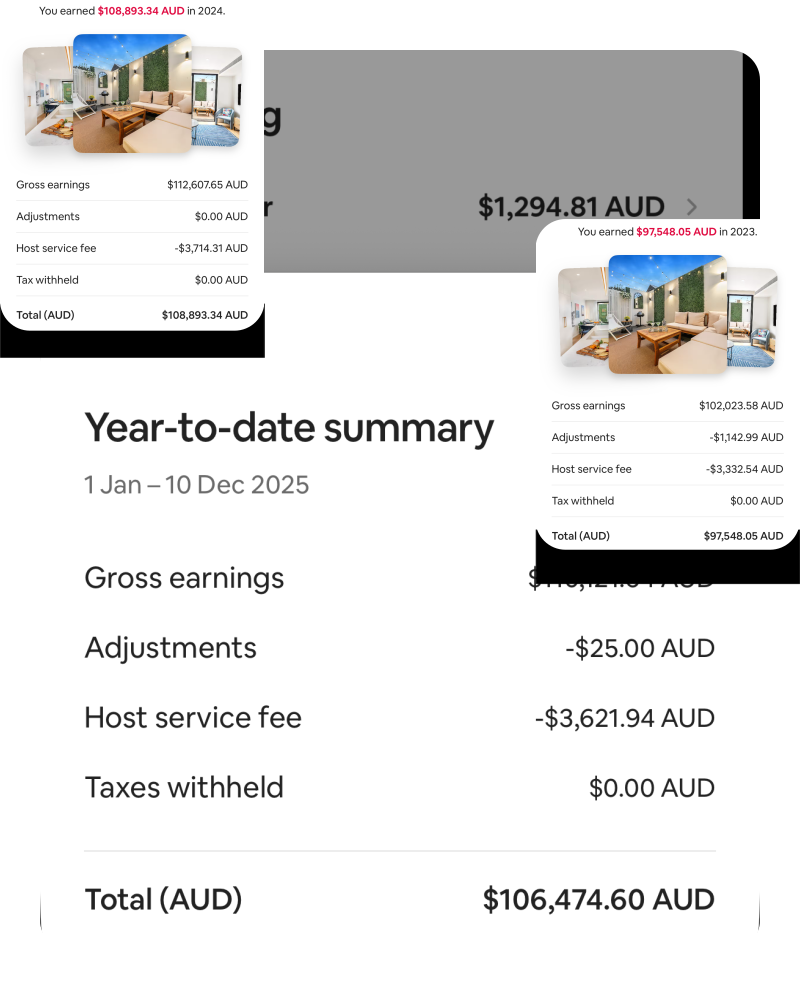
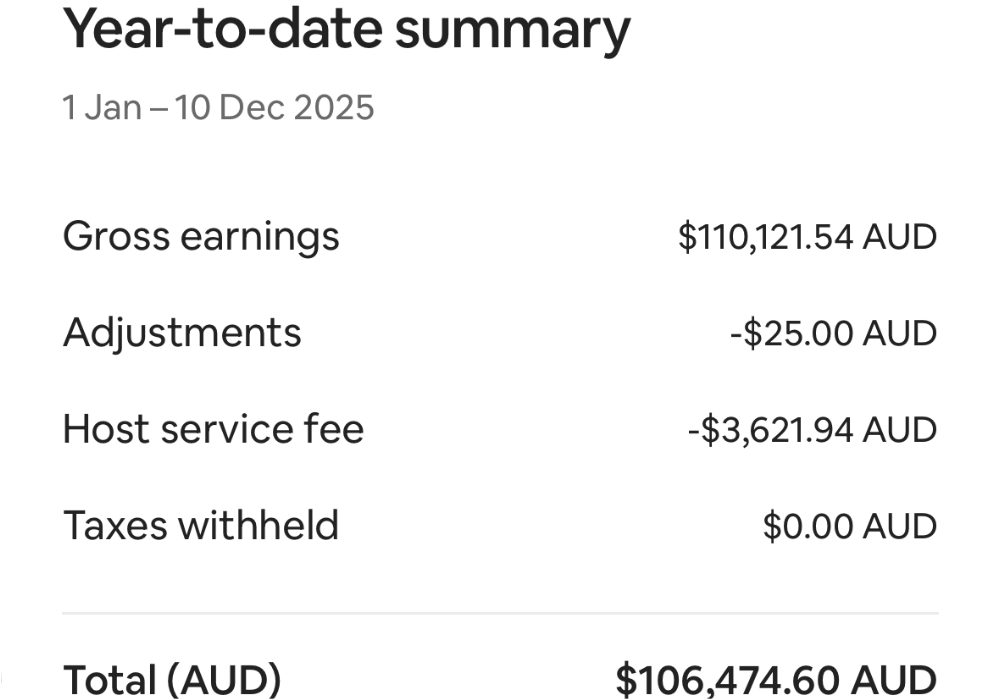
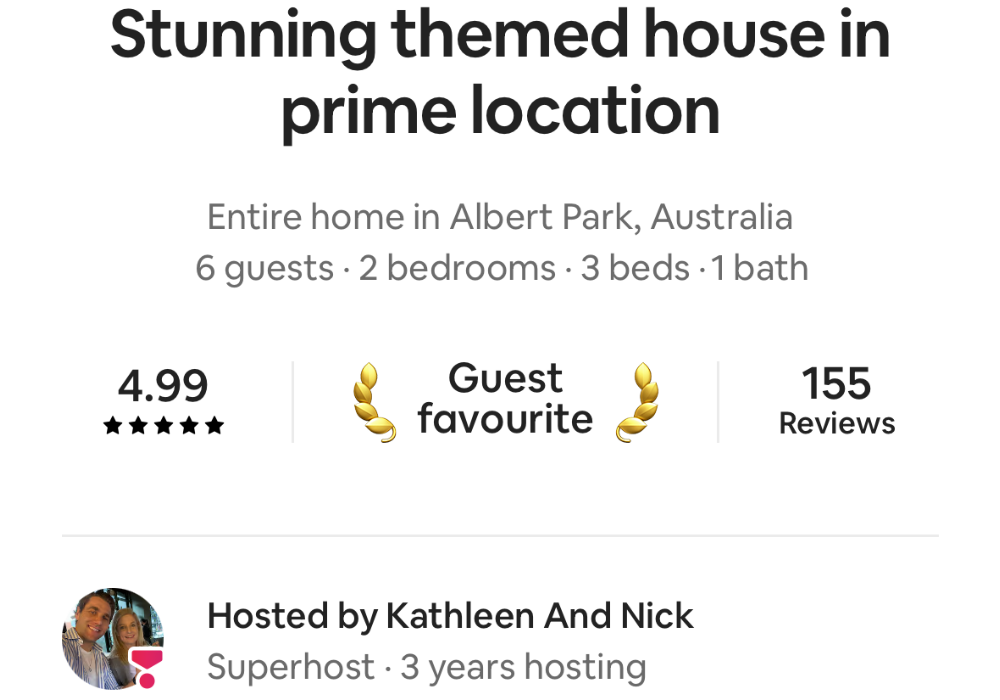
This is where Airbnb changes the equation. Not as a hustle or a hosting job, but as a way to redesign income so one property can support the next decision instead of delaying it. Includes why most Airbnbs fail, what unit economics actually matter, and how structure creates passiveness.
Lesson 5
The decision that turns a property into an asset
You’ll see why small tweaks don’t fix structural problems, why most people stay stuck longer than they need to, and how one deliberate decision changes everything once and for all.
© 2026 Nick Thrives
All Rights Reserved.
Disclaimer: This content is for educational purposes only and is not financial, legal, or investment advice. We do not guarantee any results from Airbnb or short-term rental properties, and any examples shared are not typical or guaranteed. Please do your own research and consult a qualified professional before making any financial decisions.

Why Airbnb Changes Everything When It’s Done Properly
This isn’t about becoming a host or managing guests. It’s not about working nights, weekends, or turning property into another job. It’s about understanding how Airbnb actually works and structuring a property to fit those rules from the beginning.
When the structure is right, bookings become consistent. Guests are easier. The property stops demanding your attention. That’s when it starts to feel passive, not because you’re doing more, but because the asset is finally doing its job.